Establishing VET Graduates Tracking Systems: Concept and Initial Planning
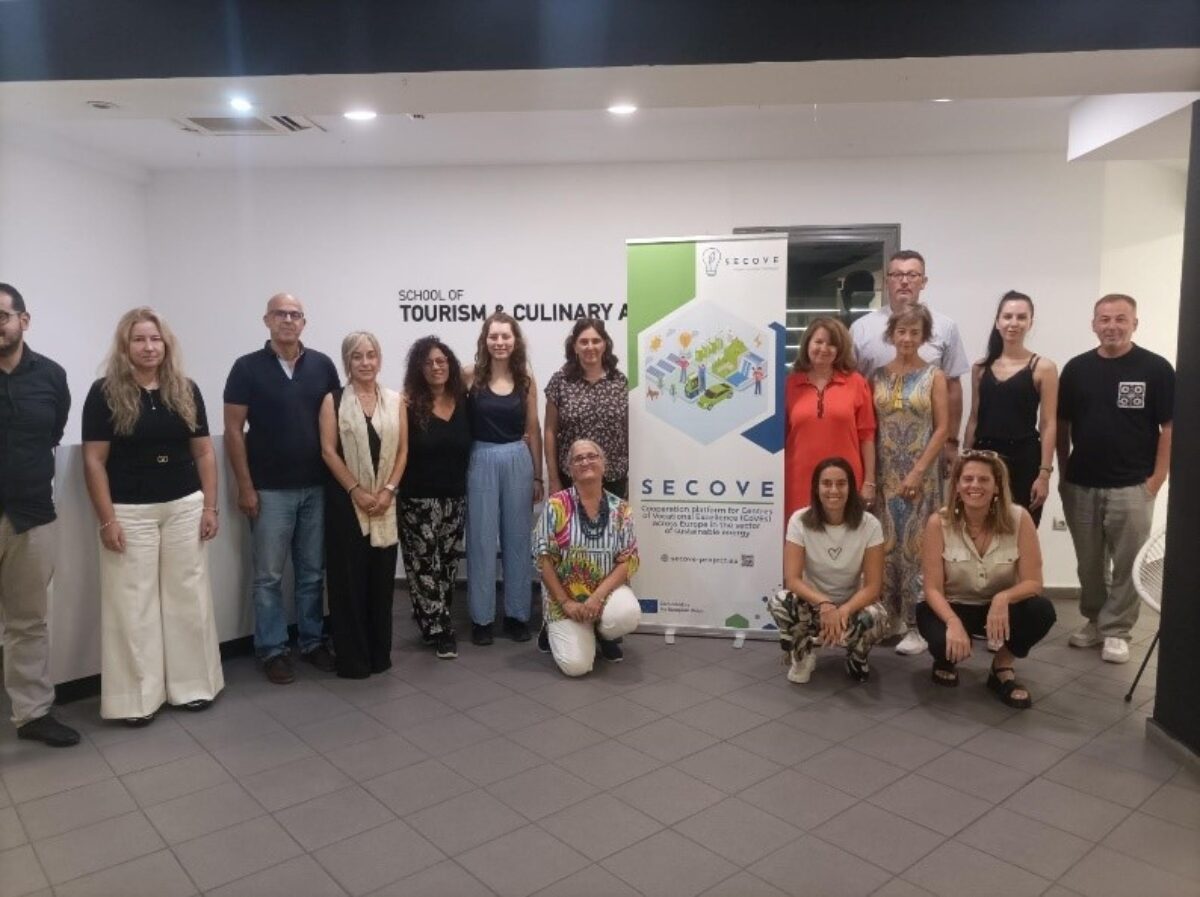
From September 17th to 19th, a dedicated training workshop, “Establishing VET Graduates Tracking Systems: Concept and Initial Planning,” was held at IEK Delta in Athens, Greece. This three-day session gathered 19 participants and three expert trainers to advance efforts in establishing graduate tracking systems for vocational education and training (VET) institutions. The training was organized with a focus on enhancing capacity-building initiatives for VET staff to implement effective tracking mechanisms.
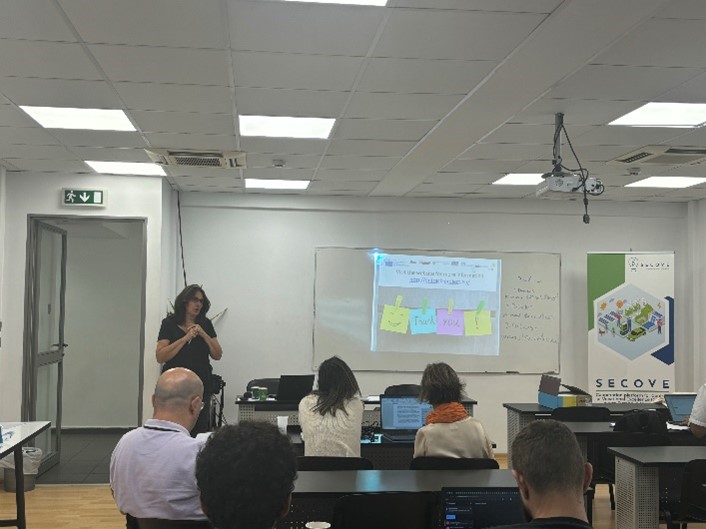
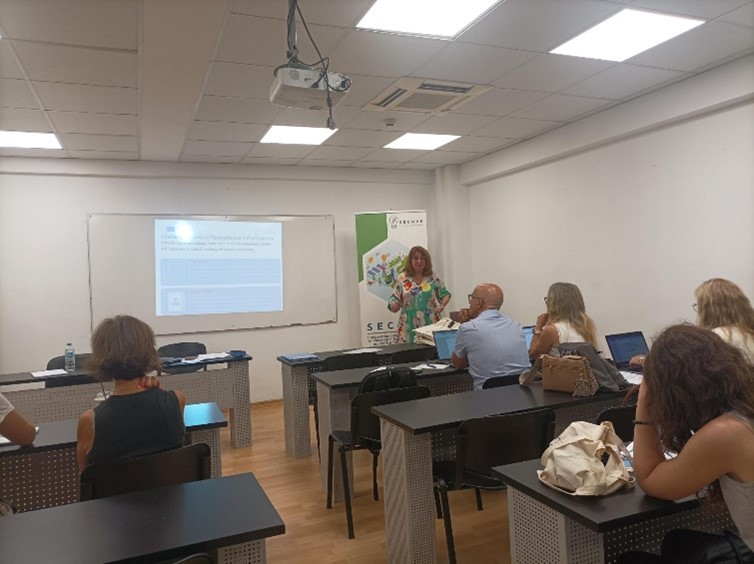
The primary objective of this training was to empower VET providers to develop and sustain tracking mechanisms for graduates, fostering continuous improvement in the quality of VET programs. The training, inspired by the On Track project’s results, aimed to help institutions establish feedback loops that integrate directly into their quality assurance frameworks. This capacity-building activity emphasized practical skills and methodologies essential for a VET graduate tracking system.
Participants
The group of attendees included:
- Quality assurance staff focused on enhancing educational standards.
- Career office personnel
- Specialists responsible for the technical aspects of tracking surveys and data management.
Partner institutions represented at the training included:
- UNIWA
- IEK DELTA
- SAEK Egaleo
- PIT
- CIOFS-FP
- Sapienza
- STAVKE
- IPP
Trainers from IDEC SA, Natassa Kazantzidou and Orestis Ntagiantas, along with a trainer from TUKE, led the sessions, bringing valuable insights from their work on the On Track methodology.
Learning outcomes
Participants gained valuable insights into developing mechanisms to track the long-term impact of VET programs. More specifically:
- Design and implement a VET graduate tracking system tailored to the institution’s needs.
- Establish tracking mechanisms within a quality assurance system, enabling regular and actionable feedback from graduates.
These newly developed skills will enable participants to contribute to their organizations’ goals by gathering relevant data and using it to refine education.
Conclusions
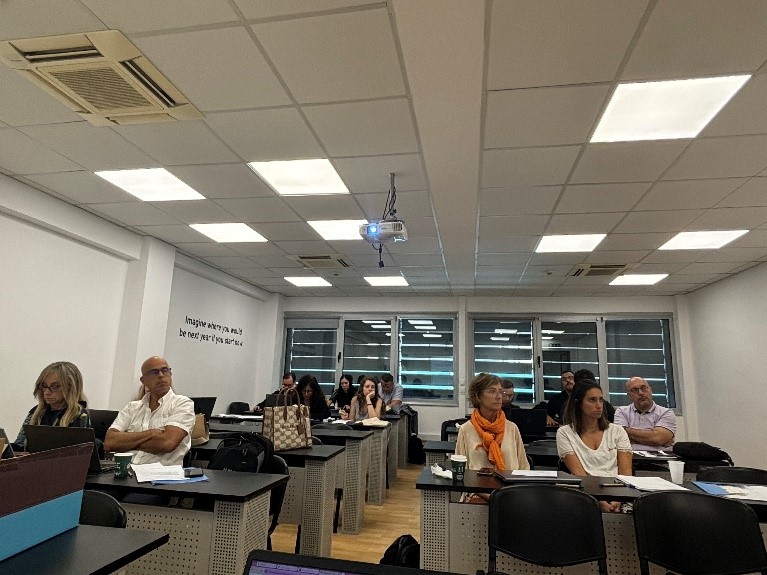
The training was a success, with participants actively engaging in discussions, presentations, and collaborative activities. Attendees demonstrated strong enthusiasm, asking insightful questions and contributing to group actions. The expertise of the trainers, paired with the hands-on approach of the sessions, fostered an environment of mutual learning and professional growth. This training marks an important step toward strengthening VET programs across participating institutions, laying the foundation for more data-driven and responsive educational practices.